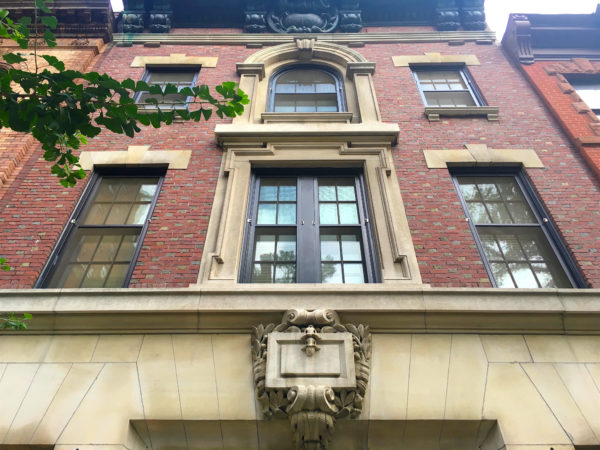
Henry Miller’s Theater

Henry Miller, as actor, director and producer, was one of the nation’s chief theatrical figures of the early 20th century. An early independent breakaway from the Theatrical Syndicate, he championed American plays and playwrights.  Beyond its historical importance, its facade is an excellent example of the elegant neo-Georgian style popular for intimate theaters designed early […]
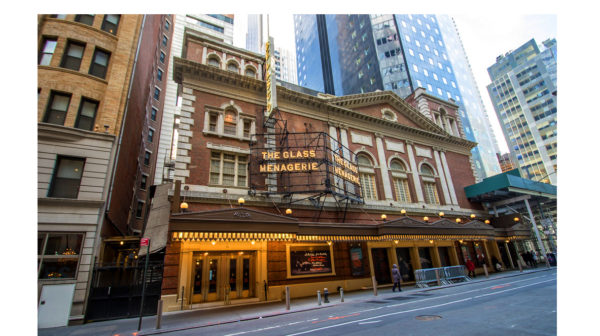
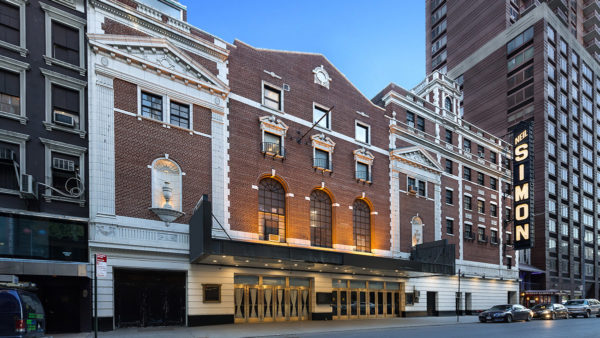
Harry B. and Evelina Hollins Residence

The building at 12-14 West 56th Street, built as a residence for banker Harry B. Hollins, is among the handsomest turn-of-the-century townhouses remaining in Midtown Manhattan, and one of the few of its kind surviving from the period when the area was a residential enclave for the city’s wealthy. Designed by Stanford White, of the […]

Belasco’s Stuyvesant Theater, Exterior and Interior

Designated 11/4/1987 This theater was designed as Belasco’s ideal theater by George Keister, an important theater architect, in an elegant neo-Georgian style reminiscent of townhouse architecture and specifically intended to suggest the intimate drama presented by Belasco within. As such it represents an early monument in the development of the “Little Theater” movement in New York. […]

Alvin Theater (Now Neil Simon Theater) – Exterior and Interior

Designated 8/6/1985 The Alvin Theater survives today as one of the historic theaters that symbolize American theater for both New York and the nation. It was designed for Alex Aarons and Vinton Freedley, producers of same of Broadway’s most successful musical comedies. The facade designed for the Alvin by Herbert J. Krapp, the most prolific designer […]

178 East 73rd Street Carriage House

The 178 East 73rd Street Building is a fine example of the type of private carriage house built during the late 19th and early 20th centuries in this area of Manhattan. Constructed in 1902 for John Connors, the carriage house was designed by architect John H. Friend in the fashionable Beaux-Arts style but with the […]