Fort Greene Historic District

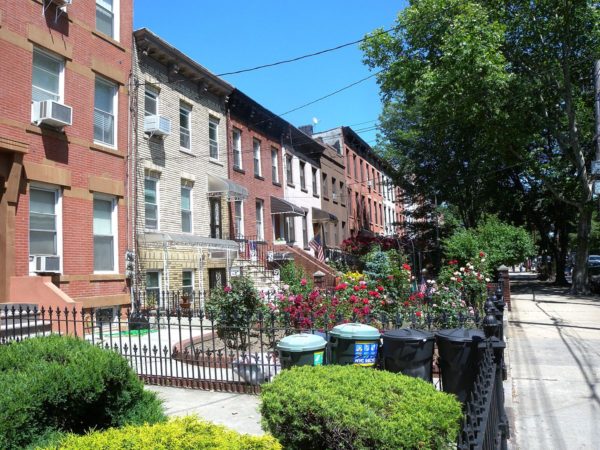
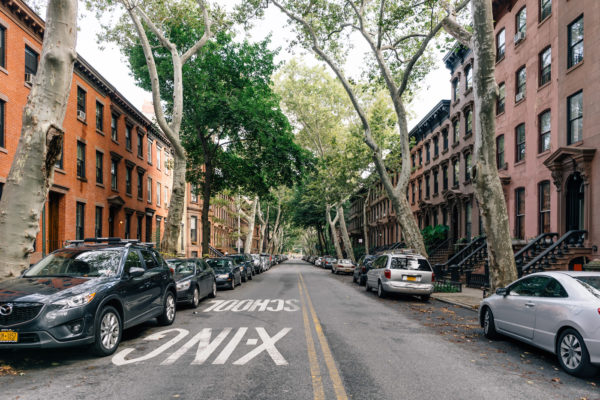
Designated September 26, 1978 The Fort Greene Historic District is typical of a 19th-century Brooklyn, residential neighborhood. Blocks of Italianate, Queen Anne and Neo-Grec style brownstone and brick row houses were built here between 1855 and 1875. Fort Greene Park was the site of a Revolutionary War battle and is the oldest urban park in […]
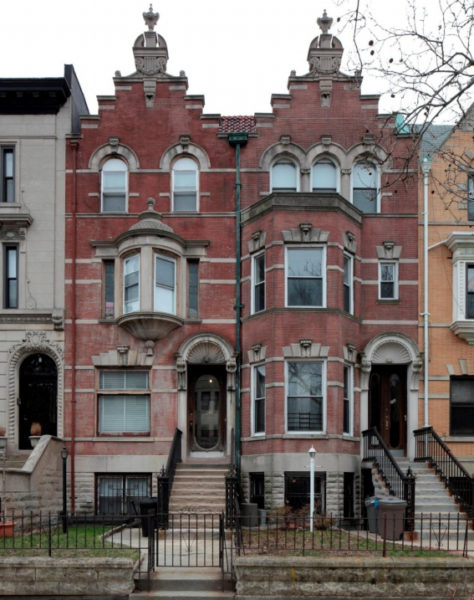
Crown Heights North II Historic District

Designated June 28, 2011 The Crown Heights North II Historic District comprises more than 600 buildings, including single- and two-family row houses, freestanding residences, flats buildings, institutional buildings, churches, and apartment houses built primarily from the 1870s to the early 1940s. Nearly all of these buildings are excellent and well-preserved examples of architectural styles that […]

Crown Heights North Historic District

Designated April 24, 2007 The Crown Heights North Historic District comprises more than 450 buildings. The oldest building in the district dates to the 1850s and continued into the 20th century.  The district consist of single- and two-family row houses, freestanding residences, apartment houses, churches, and institutional buildings in a variety of architectural styles including the Italianate, Neo-Grec and Queen […]

Carroll Gardens Historic District

Designated September 25, 1973 This quiet, residential district is made up of over 160 buildings. Most of them are two- and three-story brownstones built between 1869 and 1884 in popular styles of the time including late Italianate and Neo-Grec. The deep-set gardens along President Street and Carroll Place are particularly remarkable.

Hunter’s Point Historic District

Designated May 15, 1968 This district features a row of forty-seven townhouses built between 1871 and 1890 in the Italianate, French Second Empire and Neo-Grec styles. Original stoops, lintels, pediments, and other details can still be found on many of the homes.

Doering-Bohack House

Erected c. 1887 and moved to this site in 1902, the Doering-Bohack House is an extremely handsome and ornate example of a vernacular frame house type popular in Bushwick in the 1880s and 1890s, of which there are few survivors, and may be the only remaining frame house that retains its original detailing by the […]

183-195 Broadway

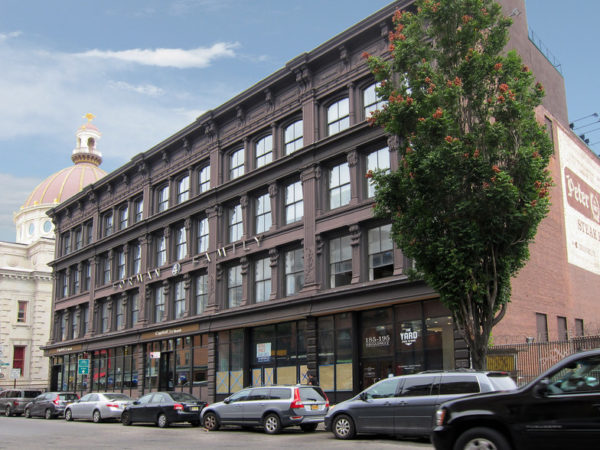
The cast-iron facade of 183-195 Broadway is distinctive among cast-iron buildings in New York City for its inventive Neo-Grec design and unusual calla lily ornament, embodying aspects of the Aesthetic Movement. Built towards the end of the heyday of cast-iron fronts in New York, 183-195 Broadway, which was manufactured by the Atlantic Iron Works, is […]

Upper West Side/Central Park West Historic District

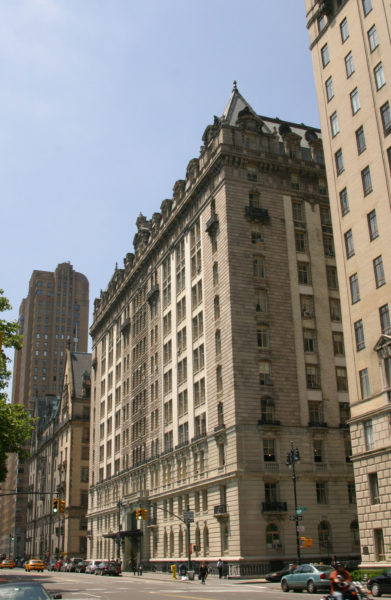
Designated April 24, 1990 The Upper West Side/Central Park west historic district is primarily residential area developed here largely in the 1880s into the 1930s, the district’s diverse building types include storefronts, row houses, tenements, and apartment towers in Neo-Grec, Romanesque Revival, Beaux Arts, Neo-Renaissance and Art Deco styles.  

Washington Apartments

This eight-story brick building, with stone, iron, terra-cotta and pressed brick trim, was designed by the talented and productive architect Mortimer C. Merritt in the popular Queen Anne style, incorporating neo-Grec details. Merritt created a lively and picturesque composition using contrasting materials, and provided textural interest through the use of projecting balconies and cornices, a […]

Temple Court Building and Annex

Designated: February 10, 1998 Temple Court Building was commissioned by Eugene Kelly, an Irish-American multi-millionaire-merchant-banker. Executed in red Philadelphia brick, tan Dorchester stone, and terra-cotta above a two-story granite base, the handsome vertically-expressed design employs Queen Anne, neo-Grec, and Renaissance Revival motifs. The Temple Court Building and Annex is an early example of the use […]